

In a world where plastic seems to multiply faster than rabbits, embracing sustainability in everyday life isn’t just a trend—it’s a necessity. Picture this: you wake up, sip your fair-trade coffee, and feel like a superhero fighting climate change, all before breakfast. Who knew saving the planet could be this easy and, dare we say, fun?
Sustainability isn’t just for tree-huggers or eco-warriors; it’s for everyone. From swapping out that single-use plastic for a snazzy reusable bag to finally getting around to composting, small changes can make a massive impact. Join the movement and discover how integrating sustainable practices into daily routines can lead to a healthier planet and a more fulfilling life. After all, who wouldn’t want to save the Earth while looking fabulous doing it?
Understanding Sustainability in Daily Life
Sustainability in daily life encompasses various practices that individuals can implement to positively influence the environment. Adopting simple habits, such as using a reusable water bottle, significantly reduces plastic waste. Making a conscious effort to recycle contributes to resource conservation. Composting organic waste turns it into valuable nutrients for soil while decreasing landfill contributions.
In addition, choosing plant-based meals supports lower greenhouse gas emissions associated with meat production. Opting for public transportation or cycling reduces carbon footprints and promotes healthier lifestyles. Supporting local farmers not only fosters community relationships but also minimizes the environmental impact from transportation.
Furthermore, energy conservation plays a vital role. Switching to energy-efficient appliances lowers energy consumption and utility bills. Incorporating natural light by opening curtains reduces reliance on artificial lighting. Utilizing smart home technology can optimize energy use, providing a more sustainable living environment.
Making mindful purchases is essential for promoting sustainability. Selecting products with minimal packaging restricts waste. Supporting brands committed to sustainability encourages responsible practices within industries. Researching materials also aids in choosing items that have less negative environmental impact.
Engaging in sustainable practices benefits both individuals and the planet. Establishing routines that prioritize eco-friendly choices fosters a culture of awareness and responsibility. Flexibility to adapt to new ideas ensures ongoing personal growth in sustainability efforts. Taking these steps creates a ripple effect, inspiring others to embrace sustainable living as part of their daily lives.
Key Principles of Nachhaltigkeit im Alltag
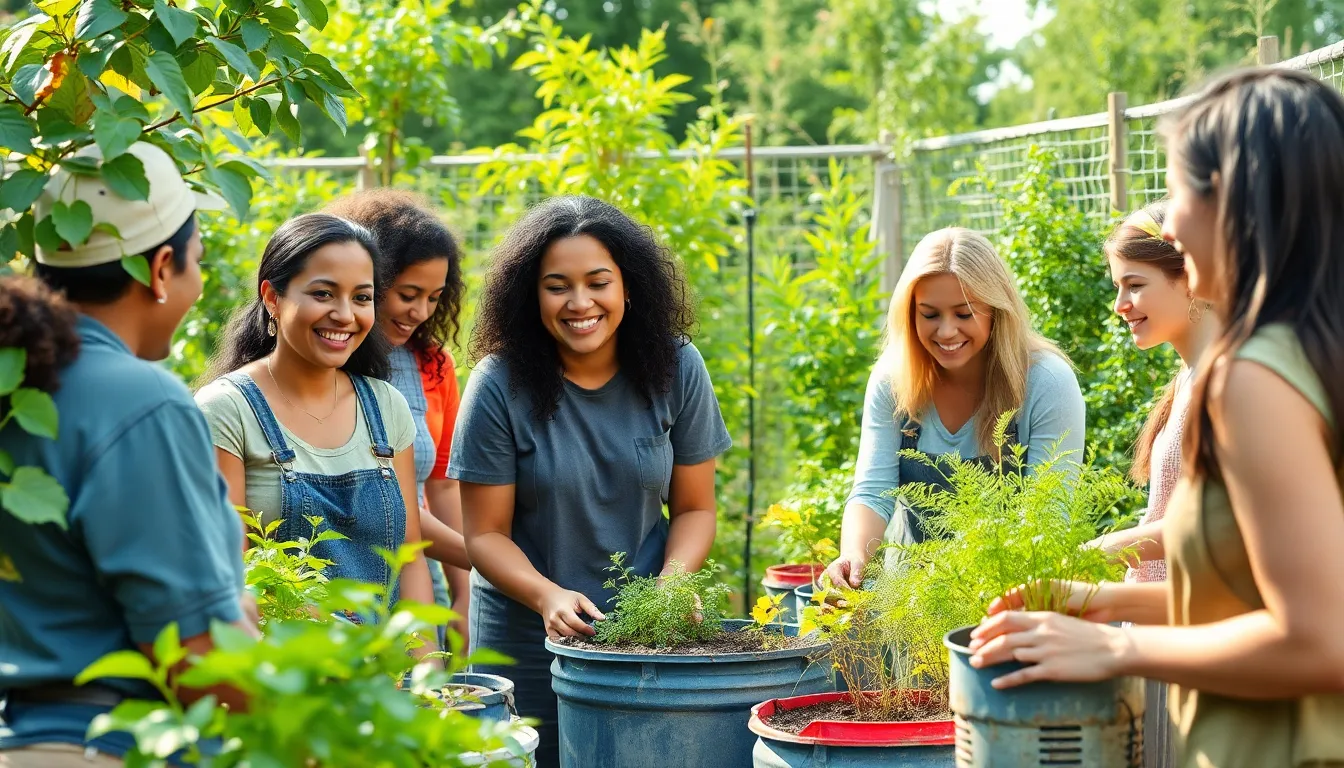
Sustainability in everyday life focuses on specific principles that make a significant impact on the planet. Each principle serves as a guideline for integrating eco-friendly practices into daily routines.
Reduce, Reuse, Recycle
Reduce waste by choosing products with minimal packaging. Reuse items where possible, such as containers and shopping bags, to cut down on single-use plastics. Recycling prevents valuable materials from ending up in landfills, conserving resources and reducing pollution. Implement local recycling programs to streamline the process. Communities can benefit from educational campaigns that highlight proper recycling practices. Focus on these three actions to make a tangible difference in reducing environmental footprint.
Conscious Consumption
Conscious consumption promotes mindful choices when purchasing products. Prioritize locally sourced and sustainably produced items to support community economies. Examine labels for eco-certifications, ensuring brands align with sustainability values. Opt for second-hand goods to reduce demand for new manufacturing processes. Engage with businesses that actively reduce waste and carbon emissions. Making informed choices fosters a culture of sustainability and encourages others to follow suit.
Practical Tips for Implementing Sustainability
Sustainability in daily life often involves making conscious choices. Individuals can significantly reduce their environmental impact through small, actionable steps.
Eco-Friendly Products
Eco-friendly products promote a healthier planet. Choosing items with minimal or biodegradable packaging supports waste reduction efforts. Opt for cleaning supplies made from natural ingredients, as they minimize chemical pollution. Bamboo toothbrushes and reusable cloths replace single-use alternatives, making a big difference. Selecting sustainable fashion brands that prioritize ethical manufacturing reduces textile waste and promotes fair labor practices. Searching for third-party certifications ensures products meet sustainability standards. Investing in energy-efficient gadgets contributes to lower energy consumption.
Sustainable Transportation Options
Sustainable transportation options play a crucial role in reducing carbon footprints. Public transit systems, such as buses and trains, offer alternatives to driving cars. Cycling promotes fitness while conserving fossil fuels and lowering emissions. Carpooling with others minimizes the number of vehicles on the road, leading to decreased traffic and pollution. Electric vehicles present a clean alternative to gasoline-powered cars, significantly cutting greenhouse gas emissions. Walking is another great way to get around, benefiting both health and the environment. Opting for these sustainable choices can create a positive impact within communities.
The Role of Community in Sustainability
Community involvement plays a vital role in advancing sustainability. Local organizations and groups often lead initiatives that promote environmentally friendly practices.
Local Initiatives and Support
Many communities establish programs focused on sustainability. Community gardens allow residents to grow their own food while fostering relationships. Clothing swaps encourage recycling of garments and reduce waste. Furthermore, local clean-up events unite neighbors in beautifying public spaces. Workshops on composting and recycling provide residents with essential skills to minimize waste. Participation in these initiatives strengthens community bonds and enhances collective commitment to a sustainable lifestyle.
Building a Sustainable Network
Networking within the community fosters sustainability. Connecting with like-minded individuals amplifies efforts toward cohesive action. Local businesses can collaborate on eco-friendly projects that raise awareness and drive impact. Online platforms offer spaces for sharing resources and tips tailored for sustainable living. Support groups dedicated to sustainability motivate individuals to stay engaged and share their experiences. Building these networks cultivates a culture of sustainability, inspiring others to make sustainable choices in their daily habits.
Embracing sustainability in everyday life is a powerful way to contribute to a healthier planet. By making small yet impactful changes, individuals can reduce their environmental footprint and inspire others to do the same. Sustainable practices like mindful purchasing and community involvement foster a sense of responsibility and connection.
As more people adopt eco-friendly habits, the collective impact grows, creating a ripple effect that promotes awareness and action. The journey toward sustainability is ongoing and requires commitment, but every effort counts. By prioritizing sustainable choices, individuals not only enhance their own lives but also pave the way for a brighter future for generations to come.