
In a world where plastic seems to multiply like rabbits and the air feels thicker than a bowl of oatmeal, embracing green living isn’t just trendy—it’s essential. Imagine a life where your morning coffee doesn’t come with a side of guilt, and your garden doesn’t require a PhD in botany. It’s time to swap out those old habits for eco-friendly ones that not only save the planet but also leave your wallet feeling a little heavier.
Understanding Green Living Ideas
Green living ideas encompass a range of eco-friendly practices that promote sustainability. Individuals can adopt various strategies to minimize their environmental impact. Reducing plastic use creates a significant change; for instance, opting for reusable bags and containers cuts down on waste.
Choosing organic products supports sustainable agriculture. Organic farming avoids synthetic pesticides and fertilizers, benefiting both health and environment. Implementing energy-efficient technologies, such as LED light bulbs and Energy Star appliances, lowers energy consumption and reduces utility bills.
Composting provides an effective way to recycle organic waste. This practice enriches soil while reducing landfill contributions. Individuals can create a simple compost bin at home, turning kitchen scraps into nutrient-rich fertilizer.
Participating in local food movements enhances sustainability. Community-supported agriculture (CSA) connects consumers with local farmers, promoting fresh produce and reducing transportation emissions. Engaging in urban gardening allows individuals to grow their own food, directly contributing to a lower carbon footprint.
Utilizing public transportation or carpooling decreases greenhouse gas emissions. These methods not only reduce reliance on fossil fuels but also save money on fuel costs. Consumers can also invest in electric vehicles for an alternative that further supports eco-friendly practices.
Each of these green living ideas contributes to a healthier planet while providing potential financial benefits. Implementing even a few of these practices fosters a more sustainable future.
Benefits of Green Living
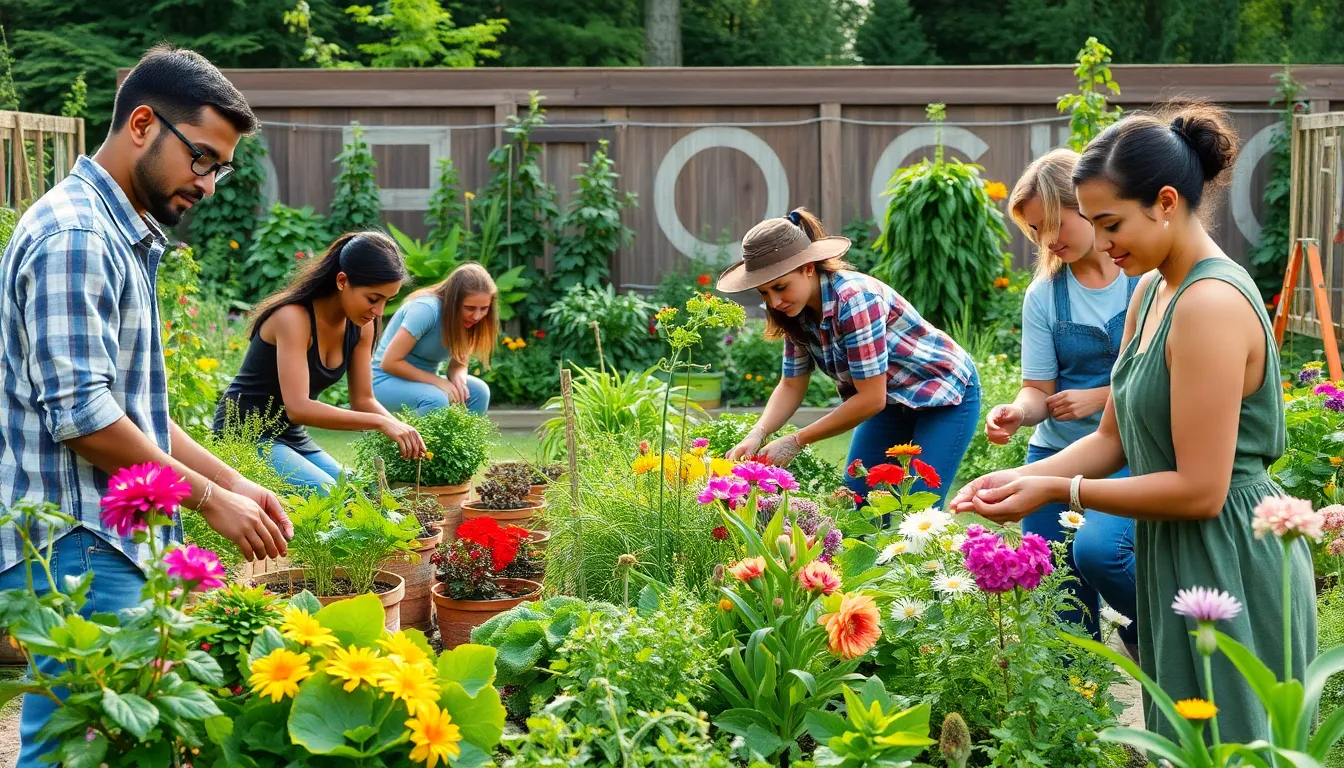
Green living practices deliver significant advantages in areas of health and the environment. Choices made today influence well-being and sustainability for future generations.
Health Benefits
Adopting sustainable habits improves physical health. Cleaner air from reduced pollution decreases the risk of respiratory illnesses. Consuming organic foods nourishes the body with fewer harmful chemicals. Gardening provides fresh produce while promoting physical activity and mental well-being. Reduced exposure to toxins contributes to overall health improvements. Communities engaged in local food movements enjoy better nutrition, fostering stronger connections among residents.
Environmental Benefits
Green living directly impacts environmental health. Decreased plastic use lessens landfill waste, reducing pollution. Energy-efficient technologies lower energy consumption, curbing greenhouse gas emissions. Composting diverts organic waste from landfills, enriching soil fertility and supporting biodiversity. Urban gardening enhances local ecosystems, contributing to habitat preservation for wildlife. Carpooling or using public transport decreases traffic congestion, leading to cleaner air and less reliance on fossil fuels. Each small change benefits the planet and encourages a more sustainable lifestyle.
Practical Green Living Ideas
Adopting practical green living ideas helps foster sustainability at home and in the community. Simple adjustments lead to significant environmental impacts.
Sustainable Home Practices
Using energy-efficient appliances reduces electricity consumption and lowers utility bills. Implementing smart thermostats optimizes heating and cooling. Layering window treatments enhances insulation, cutting down energy costs further. Switching to LED bulbs offers long-lasting lighting with lower energy usage. Additionally, utilizing natural light whenever possible brightens spaces while saving energy.
Eco-Friendly Transportation
Choosing public transportation minimizes individual carbon footprints significantly. Carpooling with friends or coworkers reduces the number of vehicles on the road. Opting for bicycles for short trips promotes physical health while easing traffic congestion. Electric vehicles eliminate greenhouse gas emissions and reduce dependency on fossil fuels. Incorporating walking into daily routines encourages a healthier lifestyle and a cleaner environment.
Waste Reduction Techniques
Embracing reusable products prevents single-use plastic waste from entering landfills. Composting kitchen scraps enriches soil and diverts organic matter from waste streams. Donating or upcycling old items reduces clutter and extends the lifecycle of goods. Involved in reducing packaging waste, bulk shopping allows consumers to buy only what they need. Engaging in local recycling programs helps divert more materials from landfills and supports community sustainability efforts.
Implementing Green Living Ideas in Daily Life
Adopting green living practices in daily life significantly enhances individual well-being and contributes to environmental health. Simple adjustments integrate sustainability into everyday routines.
Creating a Green Routine
Establishing a green routine starts with small, manageable changes. Incorporating reusable items like shopping bags, water bottles, and food containers creates less plastic waste. Opting for energy-efficient appliances minimizes electricity usage, resulting in lower energy costs. Prioritizing a plant-based diet reduces carbon footprints while also promoting health. Choosing organic and locally sourced foods supports sustainable agriculture. Including public transportation or biking in daily commutes further decreases greenhouse gas emissions. Each small shift builds a more sustainable habit, leading to both personal and planetary benefits.
Engaging the Community
Community involvement plays a crucial role in promoting green living. Organizing local clean-up events encourages neighbors to participate in environmental stewardship. Establishing community gardens fosters collaboration and provides fresh produce. Initiating recycling drives helps educate residents on proper waste disposal. Participating in local farmer’s markets strengthens connections between consumers and sustainable food sources. Hosting workshops on composting or energy saving empowers community members with knowledge. Engaging together not only supports local ecosystems but also creates a united front for a healthier environment.
Embracing green living ideas can lead to a healthier lifestyle and a more sustainable planet. By making simple yet impactful changes in daily routines, individuals can significantly reduce their environmental footprint. Every effort counts, whether it’s choosing reusable products, supporting local food movements, or engaging in community initiatives.
These practices not only foster personal well-being but also inspire collective action towards a greener future. As more people adopt eco-friendly habits, the ripple effect can create a lasting positive impact on the environment. It’s time to take these steps together for a healthier planet and a brighter tomorrow.


