

Today, the Supreme Court dropped a bombshell that’s got everyone buzzing. Whether you’re a Second Amendment enthusiast or just someone trying to understand the latest legal drama, this ruling is sure to spark conversations—maybe even a few heated debates over coffee.
In a world where opinions fly faster than bullets, this decision could reshape the landscape of gun laws across the nation. It’s not just legal jargon; it’s about rights, safety, and how we navigate the fine line between them. Buckle up, because this ruling is more than just a headline; it’s a game-changer that affects everyone, whether they’re packing heat or just packing their bags for a weekend getaway.
Overview Of The Supreme Court Gun Ruling Today
The Supreme Court issued a pivotal ruling today that reshapes gun legislation in the United States. This decision underscores the complexities surrounding Second Amendment rights. Legal analysts believe it sets a precedent for future cases concerning gun ownership and regulation.
Today’s ruling addresses key aspects of gun laws, affecting both individual rights and public safety. Some experts argue this marks a shift toward broader access to firearms. The ruling may lead to changes in state regulations, prompting legislators to reevaluate their approaches.
Impact on communities is significant, particularly in areas with strict gun control measures. Increased access to firearms could elevate concerns regarding crime and safety. Officials and advocacy groups are expected to respond to the ruling, leading to ongoing debates.
With this ruling, the Supreme Court clarifies its stance on gun rights, emphasizing individual liberties. Observers note that it could catalyze further legal challenges across various jurisdictions. Implications for law enforcement strategies might arise, considering how officers will navigate new legal landscapes.
Many individuals and organizations now face uncertainty about how this ruling will play out in practice. Various stakeholders, from gun rights activists to gun control advocates, will closely monitor developments. Legal scholars will continue to analyze the implications this ruling holds for future legislation and judicial interpretations.
Key Details Of The Ruling
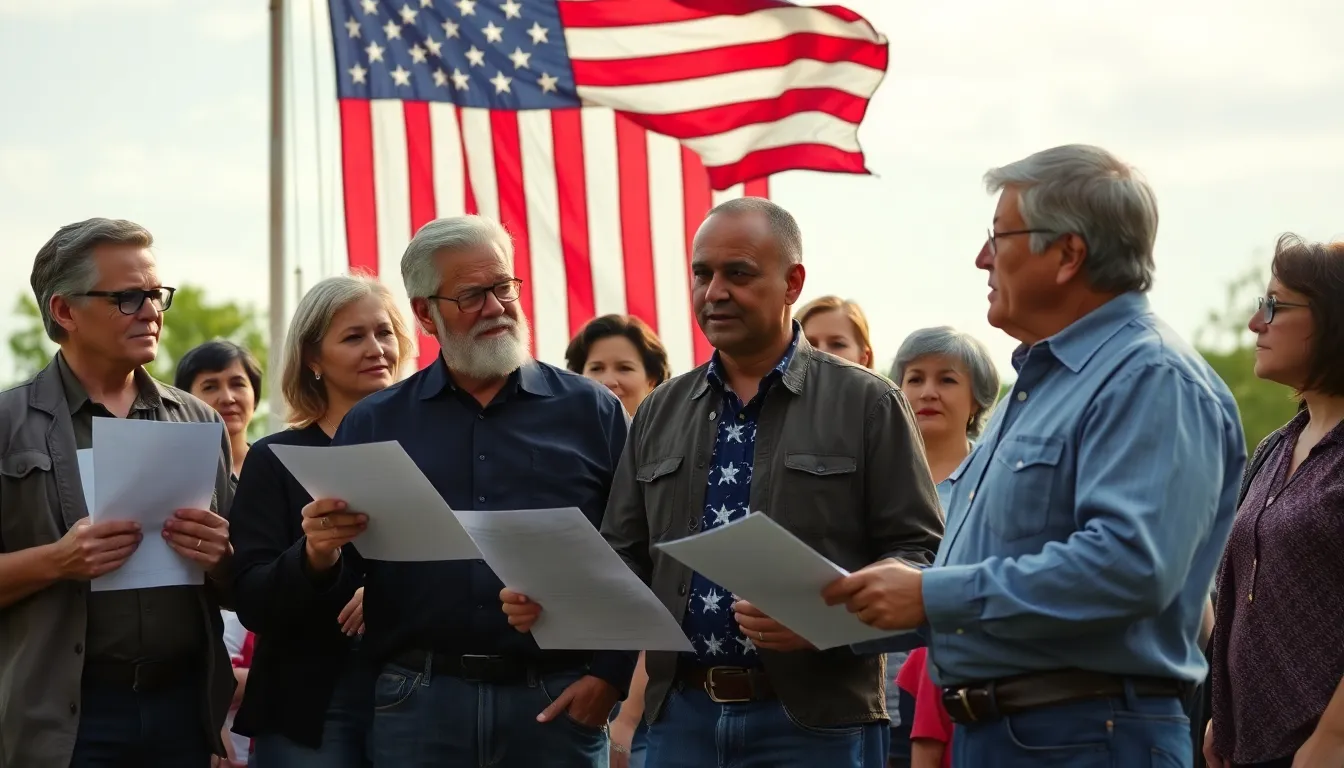
The Supreme Court’s ruling creates significant waves in gun legislation and Second Amendment interpretations. Details reveal the ruling’s broader implications for individual rights and public safety.
Legal Background
Legal precedents shape the context of this ruling. Previous decisions have affirmed individual rights but also allow for various regulations. The interplay between state laws and federal standards influences how gun ownership is regulated across the country. Historical cases, including District of Columbia v. Heller and McDonald v. City of Chicago, laid foundational principles surrounding the Second Amendment. These cases directly relate to the current ruling, as they focus on personal firearm ownership versus governmental control. Insights from past rulings underscore the ongoing debates in legislative bodies across the nation.
Major Provisions
Major provisions of this ruling provide clear guidelines for future legislation. The Court emphasizes individual rights, potentially permitting greater access to firearms. Key aspects include reducing restrictions on self-defense rights and reinforcing the ability to carry firearms in public spaces. Legislation may evolve, as states with stringent gun control measures must reassess their laws in light of this ruling. Those closely watching its impact include lawmakers, activists, and law enforcement. Each group is poised to react, leading to immediate discussions surrounding amendments and future policy direction. The ruling sets a powerful precedent, impacting the national dialogue on gun ownership.
Impact On Gun Laws
The Supreme Court’s ruling significantly shifts the landscape of gun laws across the United States. Its implications resonate in both state and federal legislation.
Changes At State Level
States now face pressure to revise their gun laws in alignment with the ruling. Legislators in areas with strict regulations are reassessing policies to prevent legal challenges. Many states may relax permit requirements and enhance access to firearms. Increased scrutiny on public carry regulations is expected as communities respond to the ruling. Expect heightened debates about local laws that may conflict with the Supreme Court’s interpretation. Swift changes could lead to inconsistent regulations nationwide, highlighting the need for coherence among states.
Implications For Federal Legislation
Federal lawmakers must now consider adjustments to existing gun policies. Adjustments could include redefining background checks and restrictions on firearm ownership. The ruling invites discussions about universal standards for gun ownership across the nation. As advocates push for reform, the potential for new legislation emerges. Policymakers may aim to balance individual rights with public safety measures. Existing federal gun control laws might face challenges in court, leading to significant alterations in how gun rights are interpreted.
Reactions From Different Stakeholders
Stakeholders are responding strongly to the Supreme Court’s ruling on gun laws, echoing a spectrum of perspectives across various sectors.
Government Officials
Some government officials express deep concern regarding public safety. Local leaders in areas with strict regulations fear increased gun access may lead to higher crime rates. Meanwhile, other officials argue this ruling reinforces Second Amendment rights and promotes individual liberties. Several states are already preparing to amend their gun laws in compliance with the ruling. Pressure mounts on lawmakers to expedite reviews of existing legislation while balancing safety against rights. Various governors plan town hall meetings to gauge public sentiment and engage community members in discussions surrounding these changes.
Advocacy Groups
Advocacy groups are vocal in their responses to the ruling. Gun rights organizations hail the decision as a significant victory for individual freedoms. National groups assert that this ruling affirms the necessity of self-defense in daily life. Conversely, gun control advocates warn about potential dangers associated with looser regulations. They stress the need for continued dialogue and action to promote responsible gun ownership. Numerous organizations pledge to counter this ruling through legislative efforts and community outreach. The division among advocacy groups highlights the ongoing national debate over gun rights and regulations.
The Supreme Court’s ruling marks a pivotal moment in the ongoing debate over gun rights and regulations in the United States. With its emphasis on individual liberties, this decision is likely to reshape the landscape of gun ownership and legislation.
As states grapple with the implications, the ruling could lead to significant changes in how gun laws are approached across the country. The tension between public safety and personal freedoms will continue to fuel discussions among lawmakers, advocates, and communities alike.
Moving forward, the ruling will serve as a benchmark for future legal challenges and legislative efforts, driving the national conversation on gun rights into new territory.