

When it comes to the iPhone 13, choosing the right SIM card can feel like trying to find a needle in a haystack. With all the tech jargon floating around, it’s easy to get lost in the shuffle. But fear not! This sleek device doesn’t just come with a dazzling display and powerful performance; it also has a specific SIM card requirement that’s crucial for unlocking its full potential.
Overview of iPhone 13 SIM Compatibility
iPhone 13 uses a nano-SIM card for its cellular connectivity. This smaller SIM card format ensures compatibility with most modern smartphones. Both physical and eSIM options are available, allowing flexibility in network choices.
Users can insert a physical nano-SIM card into the SIM tray for direct connectivity to cellular networks. eSIM technology also supports remote SIM provisioning, eliminating the need for a physical card. With eSIM, users can activate multiple carriers without needing to swap cards.
Each iPhone 13 model supports dual SIM functionality, combining one nano-SIM with one eSIM. This feature allows users to maintain two phone numbers or plans on a single device. Travelers may benefit from this capability, using one number for local calls and another for international services.
Carrier compatibility varies. Most carriers worldwide support the iPhone 13’s nano-SIM and eSIM features, but verification with specific carriers is advisable. Ensuring that the chosen carrier supports eSIM can streamline the activation process.
The iPhone 13’s compatibility with nano-SIM and eSIM technology provides options for connectivity. Understanding these choices enhances the user’s experience and maximizes the device’s potential.
Types of SIM Cards for iPhone 13
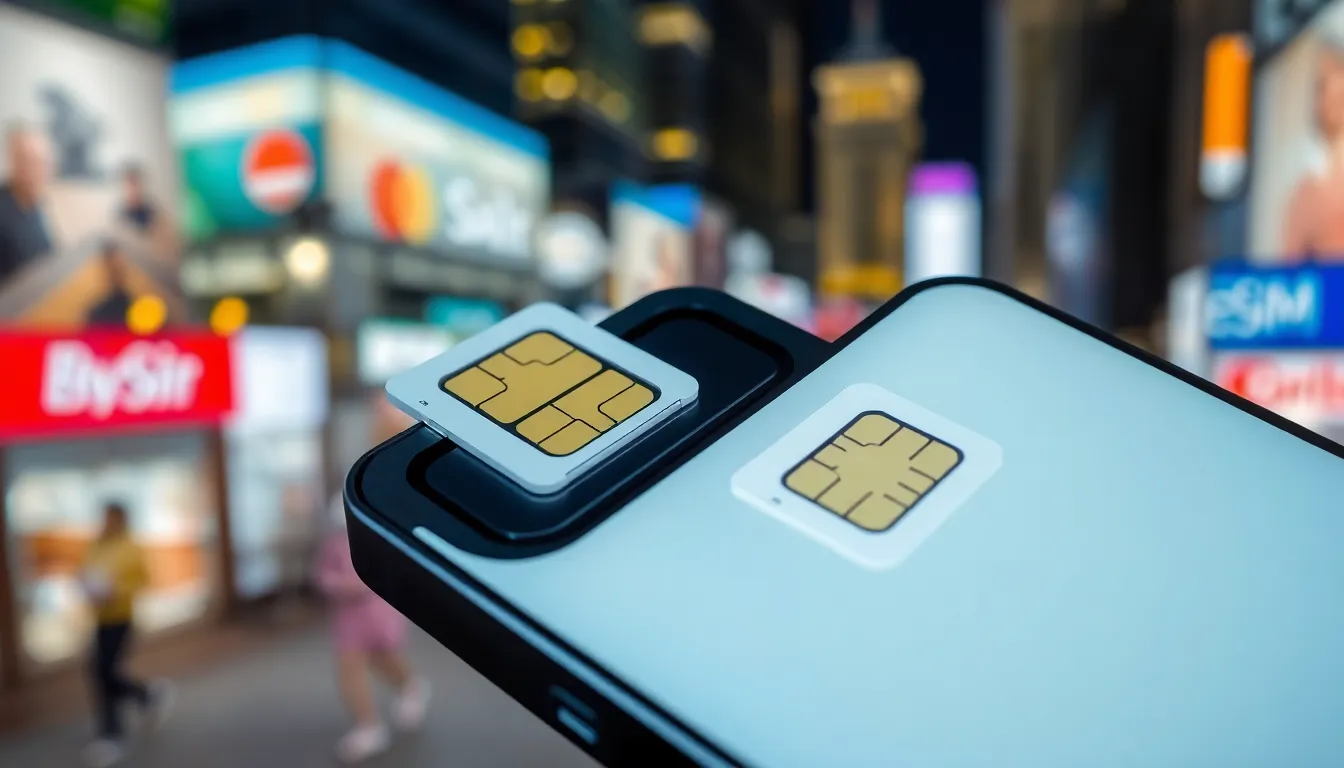
Understanding the types of SIM cards compatible with the iPhone 13 simplifies the activation process and enhances connectivity. The device primarily uses nano-SIM cards while also supporting eSIM technology.
Nano-SIM Card
Nano-SIM cards measure 12.3 mm by 8.8 mm, making them the smallest SIM card currently in use. These SIM cards provide cellular connectivity, allowing users to access their mobile networks seamlessly. Most carriers offer nano-SIM options, which easily fit into the iPhone 13’s SIM tray. Users can switch between different providers by swapping these cards if needed. Each iPhone 13 model accommodates one nano-SIM card, enabling reliable communication and data access.
eSIM Technology
eSIM technology offers a modern alternative to traditional SIM cards. This embedded SIM allows remote provisioning and activation of multiple cellular plans without a physical card. Users can add, remove, or switch carriers directly through their iPhone settings, enhancing flexibility. Many network providers support eSIM, making it a popular choice among frequent travelers. iPhone 13 models facilitate the use of both nano-SIM and eSIM simultaneously, providing dual SIM functionality and broadening user options for connectivity.
How to Insert a SIM Card in iPhone 13
Inserting a SIM card into an iPhone 13 requires a few simple steps. First, locate the SIM tray on the side of the device. This tray holds the nano-SIM, which is essential for cellular connectivity.
Next, use a SIM eject tool to open the tray. Insert the tool into the small pinhole located next to the tray. Press gently until the tray pops out. Remove the tray completely from the phone.
Afterward, place the nano-SIM card into the tray. Ensure that the card aligns with the tray’s notch, which prevents incorrect insertion. The metal contacts of the SIM card must face down.
Then, reinsert the tray back into the iPhone. Push it securely into the device until it clicks into place. Afterwards, power on the iPhone if it isn’t already on.
Once the iPhone is active, it may automatically detect the SIM card. Check for signal bars at the top of the screen to confirm cellular connectivity. Should the signal not appear immediately, users can restart the device to resolve any potential issues.
This process also accommodates eSIM activation. Users can navigate to Settings, then Cellular, to set up an eSIM if they prefer that option. Following these steps enables efficient switching between SIM cards or setting up multiple plans, enhancing flexibility for users.
Choosing the Right Carrier for iPhone 13
Selecting the right carrier for the iPhone 13 involves understanding both SIM card options and network compatibility. The nano-SIM card used in the device ensures seamless connectivity, allowing users to choose from various carriers. Users can opt for a physical SIM or utilize eSIM technology, which supports multiple plans without needing to swap cards.
Each iPhone 13 model accommodates dual SIM capabilities. This feature allows users to manage two phone numbers simultaneously, making it especially beneficial for international travelers. Travelers often prefer carriers that offer eSIM support due to the ease of activating multiple plans on a single device.
Compatibility with carriers plays a crucial role in the overall experience. Major providers support the iPhone 13, yet regional carriers might offer better pricing or unique plans that align with user needs. Checking a carrier’s coverage maps can provide insight into connectivity quality in different areas.
To activate an eSIM, accessing the device’s settings is necessary. Users will find an option to add a cellular plan, simplifying the setup process. Several carriers provide QR codes for eSIM activation, allowing quick configuration without physical cards.
Prices and plans vary among carriers. Researching different options helps users find the best data and pricing plans suited to their usage habits. Customers should also review any international roaming agreements if they travel frequently.
Ultimately, selecting the most suitable carrier involves balancing personal needs with technology options available for the iPhone 13. Prioritizing what matters for connectivity ensures a user can maximize their smartphone experience.
Choosing the right SIM card for the iPhone 13 is crucial for unlocking its full potential. With the option for a nano-SIM or eSIM users can enjoy flexibility and convenience tailored to their needs. The dual SIM functionality further enhances the experience by allowing multiple plans or numbers, making it ideal for those who travel frequently.
By understanding the SIM requirements and selecting a compatible carrier users can ensure seamless connectivity and optimal performance. Whether opting for a physical SIM or embracing eSIM technology the iPhone 13 offers a modern approach to mobile connectivity that meets diverse user preferences.