

In a world where juggling work, relationships, and personal goals feels like a high-stakes circus act, mental health often takes a backseat. Enter the realm of mental health discord—a space where conversations about emotional well-being can get as tangled as a pair of headphones in a pocket. It’s time to untangle that mess and dive into why discussing mental health shouldn’t just be reserved for therapists’ couches or late-night chats over pizza.
Imagine a community where people can share their struggles, laugh at the absurdities of life, and find support without judgment. That’s the magic of mental health discord. It’s not just a chat room; it’s a lifeline, a safe haven, and sometimes a comedy club where everyone can relate to the ups and downs of mental wellness. So grab your favorite snack and get ready to explore how this digital phenomenon is transforming the way we approach mental health.
Understanding Mental Health Discord
Mental health discord refers to instances where individuals encounter challenges discussing their mental wellness. This community offers a platform for sharing experiences, fostering open dialogue, and reducing stigma.
Definition of Mental Health Discord
Mental health discord describes a situation where individuals face difficulties in communicating their mental health issues. It encompasses feelings of isolation and misunderstanding when discussing emotions and struggles. This phenomenon occurs across various platforms, particularly in online communities dedicated to mental health. Members of these communities support one another, creating a safe space for expression. The goal remains to facilitate conversations and empower individuals to seek help.
Causes of Mental Health Discord
Many factors contribute to mental health discord. Societal stigma plays a significant role, discouraging individuals from discussing their feelings. Cultural norms often dictate that vulnerability is a weakness, leading to further silence. Limited access to resources exacerbates this challenge, leaving individuals feeling unsupported. Additionally, personal experiences, such as trauma or mental illness, create barriers to open communication. Isolation increases, especially within marginalized groups, highlighting the urgent need for inclusive conversation and support systems.
The Impact of Mental Health Discord
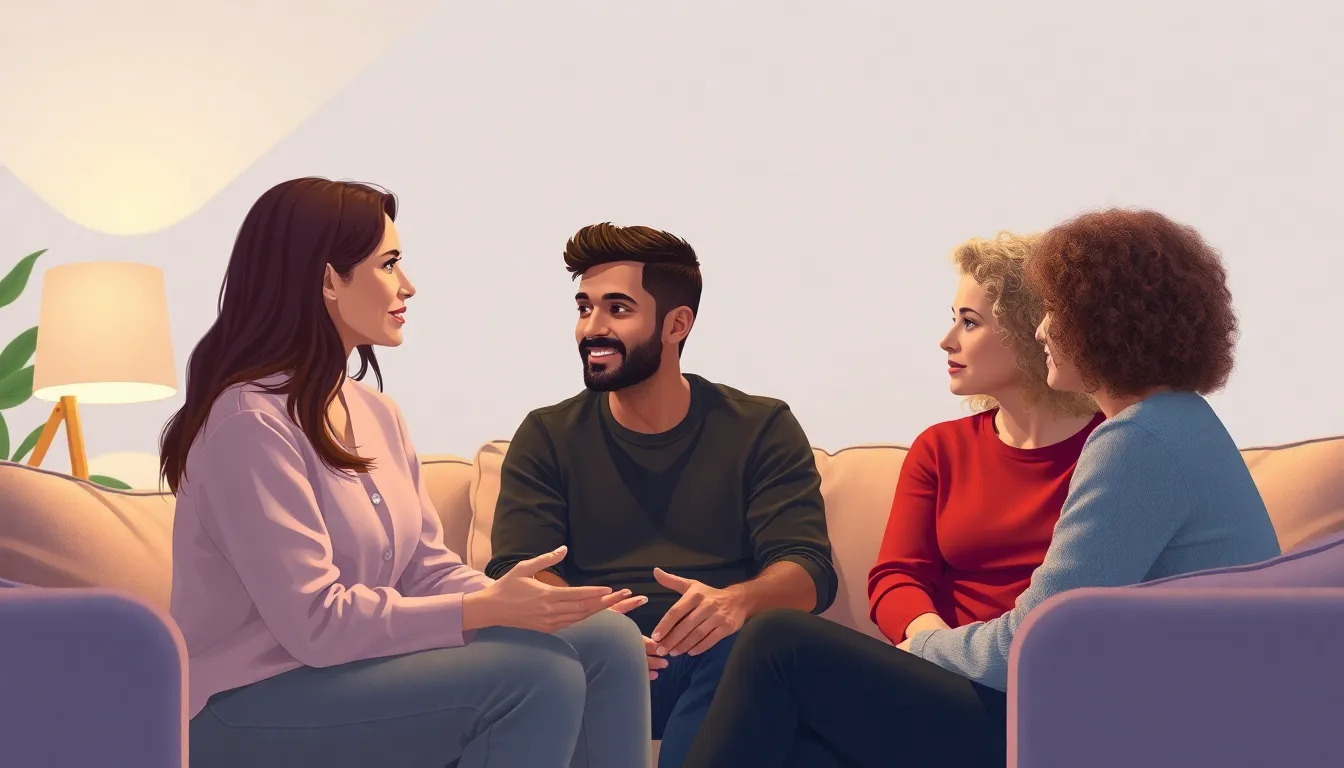
Mental health discord affects individuals and their relationships significantly. Understanding these impacts fosters awareness and encourages conversation around mental wellness.
Effects on Individuals
Individuals facing mental health discord often experience increased feelings of loneliness and anxiety. Stress levels may rise due to societal stigma, making it challenging for them to seek help. Many feel misunderstood, leading to low self-esteem and further isolation. Emotional distress can exacerbate pre-existing conditions, creating a cycle that is difficult to break. Accessing support networks improves coping mechanisms, but these individuals often struggle to find safe spaces for expression. Establishing open dialogues about mental health cultivates stronger connections and reduces feelings of alienation.
Effects on Relationships
Relationships frequently suffer when one or more individuals experience mental health discord. Partners may feel confused or helpless when trying to support a loved one dealing with emotional challenges. Communication often becomes strained, resulting in misunderstandings and conflict. Friends may withdraw due to discomfort or a lack of knowledge about mental health issues, further isolating the individual in need. Open conversations can improve understanding and strengthen bonds, but many still hesitate to engage. Creating supportive environments within relationships encourages vulnerability and fosters deeper connections.
Strategies to Address Mental Health Discord
Mental health discord requires targeted strategies to promote understanding and support among individuals. Effective communication and professional guidance play pivotal roles in addressing these challenges.
Communication Techniques
Utilizing active listening encourages open dialogue about mental health. Individuals should express feelings and thoughts without fear of judgment. Practicing empathy fosters connections, helping others feel understood. Open-ended questions can facilitate deeper discussions about emotions and experiences. Regular check-ins with friends or family build a supportive network and demonstrate care. Respecting each person’s unique experiences promotes a non-judgmental atmosphere. Sharing personal stories strengthens bonds and normalizes conversations around mental health.
Seeking Professional Help
Finding professional help remains crucial in navigating mental health discord. Individuals can start by consulting therapists or counselors trained in mental health issues. Online therapy has gained popularity and offers accessibility for various needs. Support groups provide collective healing through shared experiences. Mental health professionals supply resources, coping strategies, and tailored treatment plans. Community programs often offer low-cost or free services to enhance access. Telehealth options allow individuals to connect from home, reducing barriers to care. Prioritizing mental wellness through these services encourages healthier coping mechanisms and resilience.
Creating a Supportive Environment
Creating a supportive environment is crucial for fostering mental health discussions and building connections.
Building Community Support
Establishing community support enhances emotional well-being. Individuals thrive in environments where they feel understood and valued. Building trusted relationships requires genuine interaction and active listening. Networking opportunities can arise in community centers or online platforms, allowing for shared experiences. Individuals should prioritize attending local mental health events to meet like-minded people. Participation in support groups nurtures mutual understanding and encourages open conversations about challenges. Ultimately, creating inclusive spaces fosters a sense of belonging, reducing feelings of isolation and promoting healing.
Resources for Mental Health
Accessing resources for mental health is vital for building resilience. Local organizations often provide workshops and support groups tailored to specific needs. Online platforms offer convenient access to counseling services and community forums, helping individuals connect with others. Leveraging telehealth options can expand access, particularly for those in remote areas. Many apps focus on mindfulness and stress management, providing practical tools for everyday challenges. Educational materials are also available online, offering insights into mental health topics and coping strategies. Prioritizing access to these resources significantly improves individuals’ mental wellness and overall quality of life.
Addressing mental health discord is crucial for fostering a supportive environment where individuals feel empowered to share their experiences. By promoting open conversations and understanding, communities can break down the barriers of stigma and isolation. Utilizing resources like online therapy and local support groups can significantly enhance emotional well-being.
Encouraging empathy and active listening within relationships strengthens connections and nurtures resilience. As society continues to evolve, prioritizing mental health discussions will create a culture of support and acceptance, ultimately benefiting everyone involved. Embracing these changes is essential for a healthier future.