

In a world where the concrete jungle seems to be expanding faster than a cat video goes viral, green architecture swoops in like a superhero ready to save the day. Imagine buildings that not only look stunning but also breathe life back into our planet. It’s not just about saving the environment; it’s about creating spaces that make you feel good—like a warm hug from Mother Nature herself.
Green architecture combines innovation with sustainability, proving that style doesn’t have to come at the expense of the Earth. With energy-efficient designs and eco-friendly materials, it’s time to rethink what a building can be. So, whether you’re a homeowner looking to go green or an architect ready to revolutionize the skyline, this is the moment to embrace a future where architecture doesn’t just stand tall but stands for something greater.
Overview of Green Architecture
Green architecture focuses on designing buildings that are environmentally responsible and resource-efficient throughout their lifecycle. This approach integrates various sustainable practices, including energy efficiency, water conservation, and the use of renewable materials. Architects prioritize reducing the carbon footprint of their projects by incorporating energy-efficient systems like solar panels, green roofs, and smart home technologies.
Sustainable materials play a vital role in green architecture. Examples include recycled steel, bamboo, and reclaimed wood. These materials not only reduce waste but also enhance durability and aesthetic appeal. The selection of low-VOC paints and finishes further contributes to healthier indoor environments.
An essential aspect of green architecture is site planning. Designers assess the landscape, considering natural light, heat, and wind patterns. Building orientation significantly impacts energy use, often decreasing heating and cooling requirements. Local climate conditions influence decisions on passive design strategies, making buildings more resilient to environmental changes.
Water conservation remains a priority in green architecture. Rainwater harvesting systems and drought-resistant landscaping minimize water usage. High-efficiency fixtures also contribute to a significant reduction in overall consumption.
Community engagement often shapes the goals of green architecture. Increasing public awareness around sustainability encourages collective responsibility for environmental stewardship. Architects and homeowners collaborate to create spaces that reflect the values of the community while satisfying aesthetic desires.
Heights of innovation in green architecture reflect a commitment to a sustainable future. This movement not only redefines traditional architectural practices but also fosters a culture of environmental awareness. The ongoing evolution highlights the importance of merging design with ecological responsibility, reinforcing the belief that beauty and sustainability can coexist harmoniously.
Principles of Green Architecture
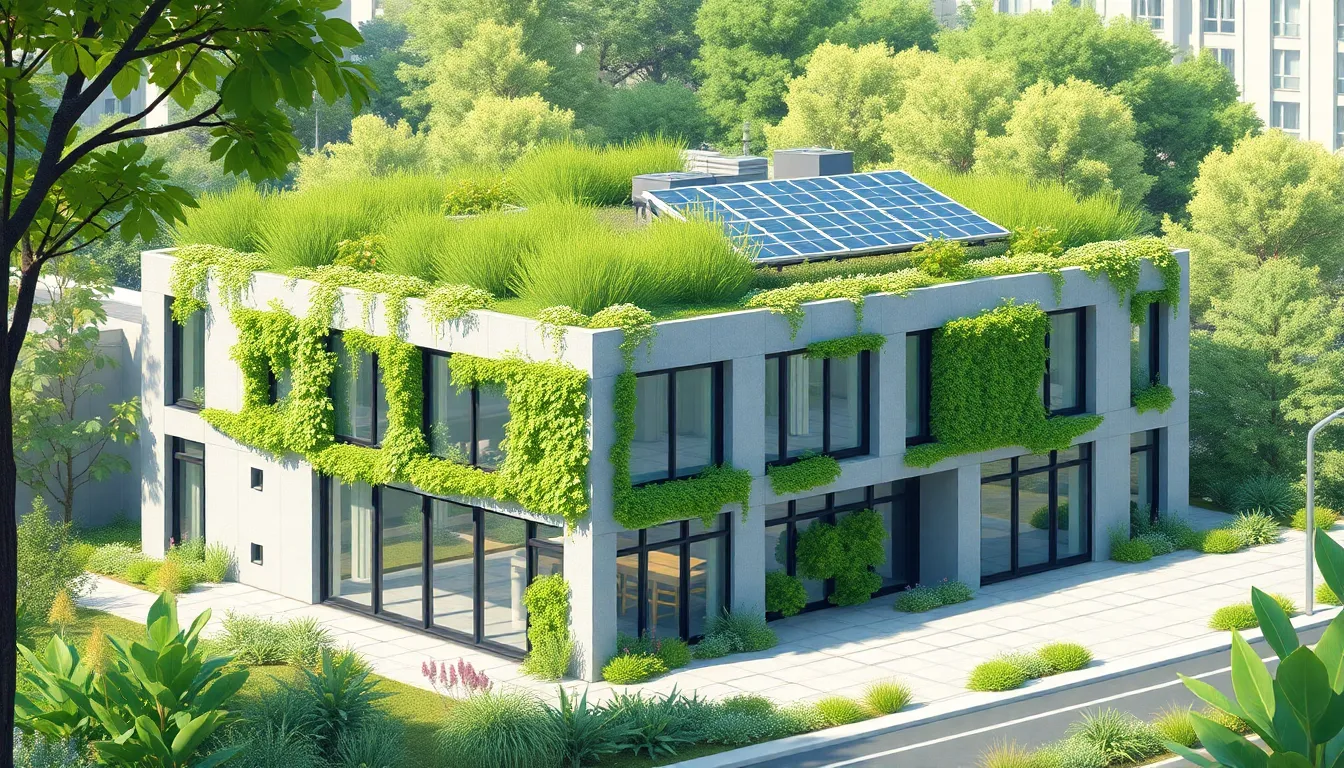
Green architecture stands on core principles aimed at creating sustainable and eco-friendly buildings. These principles guide architects in designing spaces that enhance environmental responsibility while maintaining aesthetic appeal.
Sustainable Design
Sustainable design focuses on creating environments that minimize ecological impact. Features like passive solar heating use natural light and heat effectively. Designers consider the building’s orientation to maximize natural ventilation, reduce reliance on artificial heating and cooling, and boost occupant comfort. Incorporating elements such as green roofs and living walls not only enhances biodiversity but also improves air quality in urban areas. Effective landscaping further supports sustainability by using native plants that require less water and maintenance.
Energy Efficiency
Energy efficiency plays a crucial role in green architecture. Buildings with energy-efficient systems consume significantly less energy than traditional structures. Incorporating technologies such as solar panels significantly decreases reliance on fossil fuels while harnessing renewable energy. Improved insulation and energy-efficient windows reduce heat loss, enhancing overall comfort. Smart home technologies, including programmable thermostats and energy monitoring systems, empower occupants to manage their energy usage better. Regular monitoring of energy consumption helps identify areas for continuous improvement, keeping energy costs down.
Use of Sustainable Materials
The use of sustainable materials is vital in green architecture. Opting for materials with low environmental impact, like recycled steel and sustainably sourced wood, significantly decreases the ecological footprint of a project. Many architects prioritize materials that are local, reducing transportation emissions and supporting local economies. Low-VOC finishes enhance indoor air quality, ensuring healthier living environments. Furthermore, selecting durable materials prolongs the lifespan of buildings, minimizing the need for frequent repairs and replacements. Overall, this approach promotes responsible sourcing and longevity in construction.
Benefits of Green Architecture
Green architecture offers numerous advantages, promoting sustainability and enhancing overall quality of life. By focusing on eco-friendly practices, architects create spaces that benefit both people and the planet.
Environmental Impact
Green architecture significantly reduces environmental impact. It minimizes carbon emissions through energy-efficient designs and renewable energy sources. Buildings often incorporate features like solar panels and energy-saving appliances, which lower energy consumption. Sustainable materials such as reclaimed wood and recycled steel lessen resource depletion. Furthermore, rainwater harvesting and efficient irrigation systems contribute to water conservation, preserving valuable resources for future generations.
Economic Advantages
Economic advantages abound in green architecture. Reduced energy costs result from efficient design and renewable energy sources, leading to lower utility bills. Additionally, many green buildings qualify for tax incentives and government rebates, making that initial investment more appealing. Property values often increase due to the rising demand for sustainable homes and offices. Long-term savings, combined with increased profitability for businesses, create compelling financial motivations for adopting green practices.
Health and Well-being
Health and well-being improve through green architecture. Incorporating natural ventilation and daylighting enhances indoor air quality and reduces reliance on artificial lighting. Improved air quality positively affects occupants’ health, reducing respiratory issues and allergies. Green spaces, such as gardens and living walls, provide calming environments that support mental well-being. Furthermore, the use of non-toxic building materials ensures safer living and working conditions, promoting overall health.
Challenges in Implementing Green Architecture
Implementing green architecture faces various challenges, making the transition complex for many architects and homeowners.
Cost Concerns
High upfront costs often deter individuals from pursuing green architecture. Initial investments in sustainable technologies, such as solar panels and energy-efficient systems, can seem overwhelming. Despite long-term savings on utility bills, people might focus on immediate expenses instead of future benefits. Budget constraints frequently limit project scopes and implementing comprehensive eco-friendly strategies. However, availability of tax incentives and grants can alleviate some financial burdens, encouraging more sustainable choices.
Availability of Resources
Limited access to sustainable materials poses another significant challenge. Regions might lack suppliers of eco-friendly options, making procurement difficult. Additionally, sourcing locally may not always be viable, leading to longer transport distances and higher carbon footprints. Furthermore, an increase in demand for sustainable products often creates shortages, raising prices and making them less accessible. When architects cannot procure necessary resources, realizing their green design visions becomes increasingly complicated.
Green architecture stands as a testament to the possibility of merging aesthetic appeal with environmental responsibility. By prioritizing sustainable practices and innovative designs, it paves the way for a future where buildings contribute positively to both the planet and the well-being of their occupants.
As architects and homeowners embrace this movement, they not only enhance their living spaces but also foster a culture of sustainability. The journey toward greener buildings may have its challenges, yet the long-term benefits far outweigh the initial hurdles. Ultimately, green architecture isn’t just a trend; it’s a vital step toward a healthier and more sustainable world.