
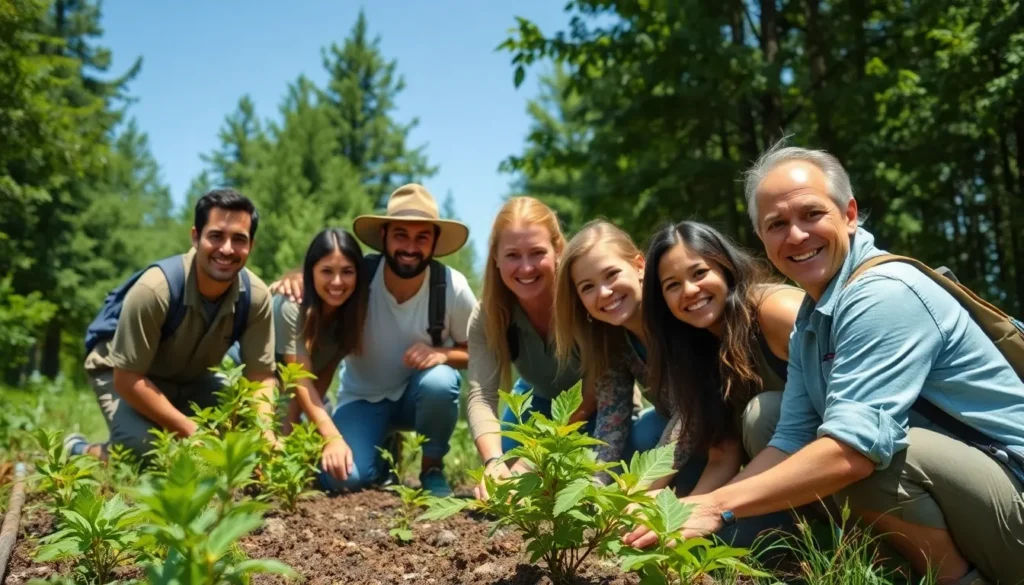
Wildlife conservation efforts play a crucial role in preserving the planet’s biodiversity. As human activities continue to threaten natural habitats, the urgency to protect endangered species and their ecosystems has never been greater. From poaching to habitat destruction, various challenges confront wildlife, making effective conservation strategies essential for maintaining ecological balance.
Organizations and individuals around the globe are stepping up to address these challenges. Through innovative approaches like community engagement, habitat restoration, and legal protection, they work tirelessly to ensure that future generations can enjoy the rich tapestry of life on Earth. Understanding the significance of these efforts not only highlights the importance of biodiversity but also inspires collective action to safeguard our planet’s wildlife.
Overview of Wildlife Conservation Efforts
Wildlife conservation efforts play a vital role in sustaining biodiversity and fostering healthy ecosystems. These efforts include a range of strategies designed to protect endangered species and their habitats.
Key Conservation Strategies
- Protected Areas
Protected areas such as national parks and wildlife reserves guard habitats against human encroachment. These regions serve as sanctuaries for numerous species, allowing populations to thrive.
- Species Recovery Programs
Species recovery programs focus on restoring populations of endangered and threatened species. Techniques include captive breeding, habitat restoration, and reintroduction to the wild.
- Community Engagement
Community engagement initiatives involve local communities in conservation efforts. By raising awareness and fostering stewardship, these programs encourage sustainable practices that benefit both wildlife and people.
- Legislation and Policies
Effective legislation and policies, like the Endangered Species Act, provide legal frameworks for protecting threatened species. These laws help regulate activities that negatively impact wildlife and their habitats.
- Research and Monitoring
Research and monitoring initiatives collect data on wildlife populations and environmental conditions. This information guides conservation strategies and helps assess the effectiveness of various programs.
- Education and Outreach
Education and outreach campaigns promote understanding of conservation issues. They aim to inspire individuals to participate in local conservation activities and support broader efforts.
Global and Local Efforts
Global organizations, such as the World Wildlife Fund (WWF) and the International Union for Conservation of Nature (IUCN), drive large-scale conservation initiatives. Local groups also play a crucial role by implementing on-the-ground projects that address specific regional challenges.
Collaboration Across Sectors
Successful wildlife conservation necessitates collaboration among governments, non-profit organizations, and the private sector. Partnerships leverage resources and expertise, enhancing the impact of conservation efforts.
Wildlife conservation efforts integrate diverse approaches to tackle complex challenges, reinforcing the need for ongoing commitment and action in protecting the world’s wildlife.
Importance of Wildlife Conservation
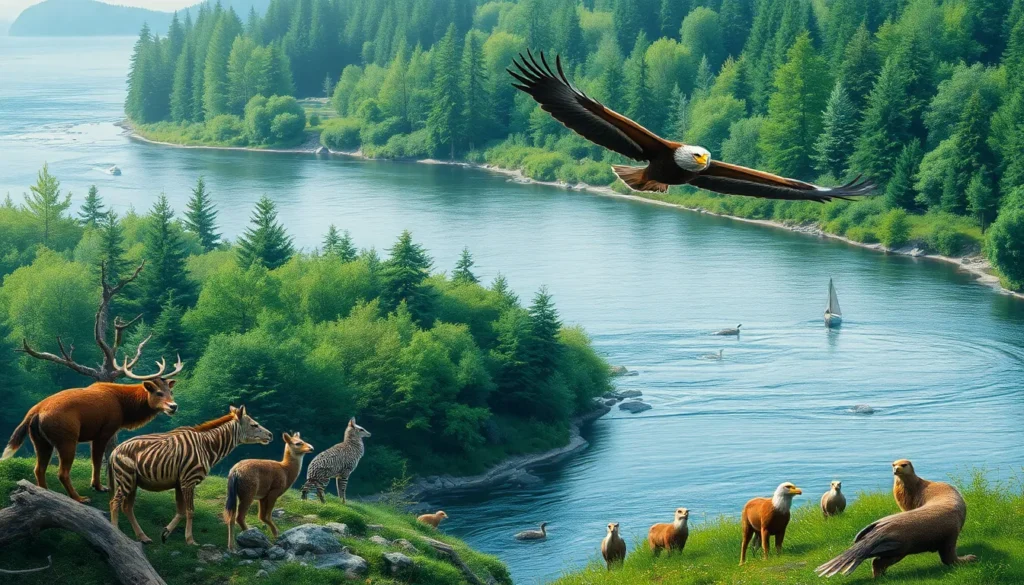
Wildlife conservation plays a vital role in maintaining the health of ecosystems and ensuring the survival of various species. A focus on conservation efforts yields significant benefits, including biodiversity preservation and ecosystem stability.
Biodiversity Preservation
Biodiversity encompasses the variety of life on Earth, including species diversity, genetic diversity, and ecosystem diversity. Wildlife conservation protects endangered and threatened species, which helps maintain genetic diversity within populations. By safeguarding habitats, conservation initiatives promote species interactions that enhance resilience in ecosystems. For instance, the protection of keystone species promotes the overall health of ecosystems where numerous species depend on their roles.
Ecosystem Stability
Ecosystem stability refers to an ecosystem’s ability to resist change and maintain functionality despite external pressures. Conservation efforts strengthen ecosystem resilience by preserving habitat integrity and promoting natural processes. Healthy ecosystems provide services such as clean water, pollination of crops, and carbon storage, crucial for combating climate change. A stable ecosystem supports both wildlife and human communities, ensuring food security and economic stability. Effective conservation strategies emphasize habitat protection, thus reinforcing the interdependent relationships among species and their environments.
Major Wildlife Conservation Organizations
Numerous organizations work diligently to protect wildlife worldwide, employing innovative strategies and fostering global collaboration. These organizations address critical conservation challenges through focused initiatives.
International Organizations
- World Wildlife Fund (WWF): WWF operates in over 100 countries, focusing on conservation efforts that protect wildlife and their habitats. It conducts research and advocates for policy changes, emphasizing sustainable practices.
- International Union for Conservation of Nature (IUCN): IUCN is known for its Red List of Threatened Species, which assesses the conservation status of global species. It promotes sustainable development through conservation policies and programs.
- Wildlife Conservation Society (WCS): WCS works in more than 60 countries, engaging in science-based strategies for preserving biodiversity. The organization supports protected area management and collaborates with local communities.
- The Nature Conservancy (TNC): TNC focuses on land and water conservation through science-driven strategies. It collaborates with various stakeholders to design effective conservation plans that benefit wildlife and ecosystems.
- Conservation International (CI): CI emphasizes the importance of nature’s role in human well-being. It supports conservation projects across several continents, integrating scientific research with community engagement.
Local Initiatives
- Community Conservation Projects: Many local organizations implement community-based conservation strategies, empowering residents to engage in wildlife protection. These initiatives focus on habitat restoration and sustainable resource management.
- Wildlife Rehabilitation Centers: Local wildlife rehabilitation centers play a vital role in rescuing and rehabilitating injured animals. They often work with veterinarians and volunteers to ensure successful releases back into the wild.
- Education and Outreach Programs: Local initiatives frequently conduct educational outreach to raise awareness about local wildlife and conservation needs. These programs aim to inspire stewardship and encourage community involvement.
- Species-specific Focus Groups: Various local groups advocate for specific endangered species, working to create awareness and fund targeted conservation efforts. Their actions often include habitat protection and breeding programs.
- Citizen Science Projects: Local conservation efforts engage citizens in research and monitoring of wildlife populations. These projects foster community investment and provide valuable data to inform larger conservation strategies.
Successful Case Studies
Numerous successful wildlife conservation case studies demonstrate effective strategies for protecting endangered species and restoring ecosystems. These examples illustrate the combined efforts of organizations, communities, and governments in achieving significant conservation goals.
Reintroduction of Species
Reintroduction of species stands as a key strategy in wildlife conservation. One notable case involves the California condor, the world’s largest bird. Following a drastic decline due to poaching and habitat loss, a captive breeding program initiated in 1987 successfully increased its population. By 2021, California condor numbers exceeded 500 individuals, largely due to strategic release and monitoring efforts across California, Arizona, and Utah.
Another successful example is the reintroduction of the gray wolf in Yellowstone National Park. In 1995, the National Park Service and partners introduced imported wolves from Canada. This effort led to ecological changes, such as regulating elk populations, which allowed vegetative growth and restored habitat health. The gray wolf’s reintroduction significantly improved biodiversity within the park ecosystems.
Habitat Restoration Projects
Habitat restoration projects play a vital role in wildlife conservation. An exemplary initiative is the Everglades Restoration Plan in Florida, aimed at restoring a vast network of wetlands. Implementation began in the early 2000s, addressing water flow disruptions caused by urban development and agriculture. Efforts include removing invasive species, restoring natural hydrology, and enhancing water quality, all resulting in improved habitats for species like the Florida panther and the American crocodile.
Another successful habitat restoration project is the Great Green Wall of Africa, an ambitious initiative aiming to combat desertification and restore ecosystems across the Sahel region. Since its inception, over 15 million hectares of land have been restored, directly benefiting local communities and wildlife. By promoting sustainable land use, this initiative enhances biodiversity, food security, and climate resilience, showcasing a successful model for large-scale environmental restoration.
Challenges in Wildlife Conservation
Wildlife conservation faces significant challenges that hinder progress in protecting biodiversity. Key obstacles include climate change impacts and poaching combined with illegal trade.
Climate Change Impacts
Climate change alters habitats, disrupts migration patterns, and affects breeding cycles. Rising temperatures create heat stress and influence food availability. Altered precipitation patterns impact wetland ecosystems and water sources essential for wildlife survival. Species, especially those in fragile habitats, struggle to adapt, leading to increased extinction risks. For example, polar bears rely on sea ice for hunting seals. As ice diminishes, their survival decreases. Effective conservation strategies must address these climate challenges, integrating climate resilience into planning and management.
Poaching and Illegal Trade
Poaching and illegal wildlife trade pose severe threats to numerous species. Criminal networks exploit demand for animal products like ivory, rhino horn, and tiger bones. The illegal trade undermines population recovery efforts and disrupts ecosystems. In some regions, poaching has decimated populations, such as the African elephant, which has seen numbers decline by 30% in the past decade due to poaching. Strengthening enforcement of wildlife protection laws and raising awareness can significantly mitigate these impacts. Innovative technology, including drones and camera traps, enhances monitoring and enforcement capabilities to combat poaching effectively.
Future Directions in Wildlife Conservation
Wildlife conservation faces evolving challenges, prompting the exploration of innovative solutions and enhanced community engagement. Focusing on technology and community involvement can drive more effective conservation efforts.
Innovative Technologies
Innovative technologies play a crucial role in wildlife conservation. Drones and satellite imagery assist in monitoring wildlife populations and tracking illegal activities, offering real-time insights. Advanced genetic analysis enhances understanding of biodiversity, aiding in species recovery efforts through targeted breeding programs. Camera traps capture detailed information on animal behavior and population dynamics, helping conservationists devise informed strategies. Additionally, mobile applications enable citizen scientists to report sightings and contribute valuable data. Integrating such technologies enhances conservation effectiveness, enabling organizations to address threats quickly.
Community Involvement
Community involvement significantly boosts wildlife conservation efforts. Empowering local communities through education fosters a sense of ownership and responsibility towards local ecosystems. Collaborative programs enable communities to engage in habitat restoration and species monitoring, directly linking conservation to their livelihoods. Incentives for sustainable practices, such as ecotourism and sustainable agriculture, provide economic alternatives to harmful activities. Notable examples include community-led initiatives in Namibia, where locals manage wildlife resources, leading to increased populations of species like the black rhino. Engaging communities ensures long-term commitment to conservation goals and enhances ecosystem resilience.
Wildlife conservation is essential for maintaining the planet’s biodiversity and ensuring healthy ecosystems. The combined efforts of organizations and communities play a crucial role in tackling the challenges facing wildlife today. By embracing innovative strategies and fostering local engagement, significant progress can be made in protecting endangered species and restoring habitats.
As threats like climate change and poaching continue to rise, the commitment to conservation must remain strong. The success stories of various initiatives demonstrate that with collaboration and dedication, it’s possible to create a sustainable future for both wildlife and human communities. Protecting the world’s wildlife is not just an environmental issue; it’s a vital component of global health and well-being.


