
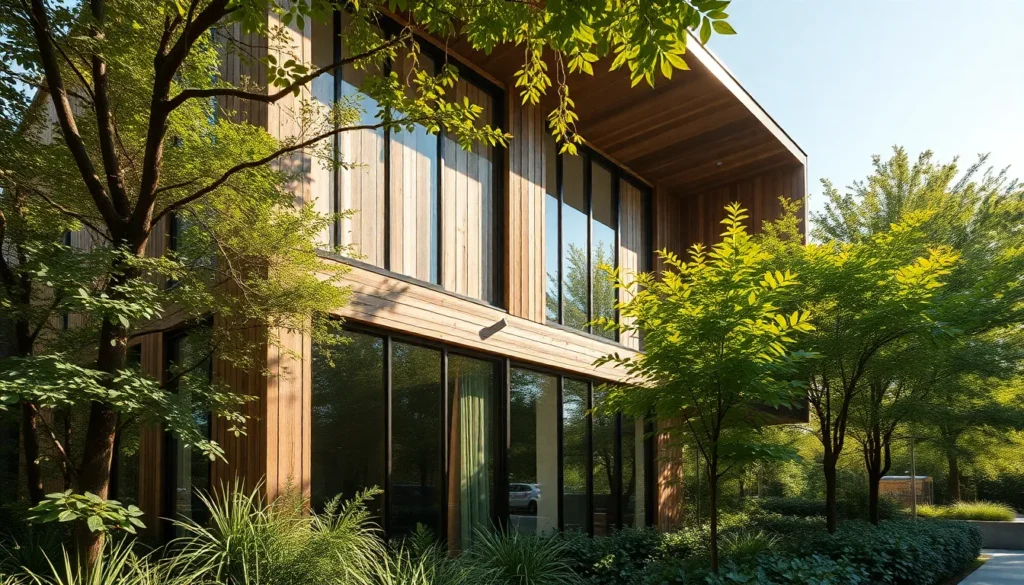
In a world increasingly aware of environmental challenges, green architecture emerges as a beacon of hope. This innovative approach to building design focuses on sustainability, energy efficiency, and the use of eco-friendly materials. By harmonizing structures with their natural surroundings, green architecture not only reduces the carbon footprint but also enhances the quality of life for occupants.
As urban areas expand and resources dwindle, the need for sustainable practices in construction has never been more critical. Green architecture prioritizes renewable energy sources, water conservation, and waste reduction, making it a vital component of modern development. With its potential to reshape cities and communities, green architecture is not just a trend—it’s a necessary evolution in how we think about the spaces we inhabit.
Understanding Green Architecture
Green architecture involves designing buildings that prioritize sustainability and environmental responsibility. This approach incorporates energy efficiency and eco-friendly materials to minimize the ecological impact of structures.
Definition and Principles
Green architecture defines an approach that integrates environmental considerations into the design process. Core principles include:
- Sustainability: Emphasizes preserving natural resources while minimizing waste.
- Energy Efficiency: Utilizes renewable energy sources and reduces reliance on fossil fuels.
- Resource Conservation: Promotes the use of recycled, reclaimed, or locally sourced materials.
- Indoor Environmental Quality: Enhances air quality and natural lighting for occupants’ well-being.
- Site Responsiveness: Designs homes and buildings that harmonize with their natural surroundings.
Importance in Modern Construction
- Resource Management: Reduces consumption of finite resources, promoting a circular economy.
- Cost Efficiency: Lowers energy bills through efficient building designs and technologies.
- Health Benefits: Creates healthier environments that improve occupants’ physical and psychological well-being.
- Regulatory Compliance: Meets increasing local and international regulations for sustainable building practices.
- Market Demand: Aligns with consumer preferences for sustainable living, boosting property values and attracting buyers.
Key Features of Green Architecture
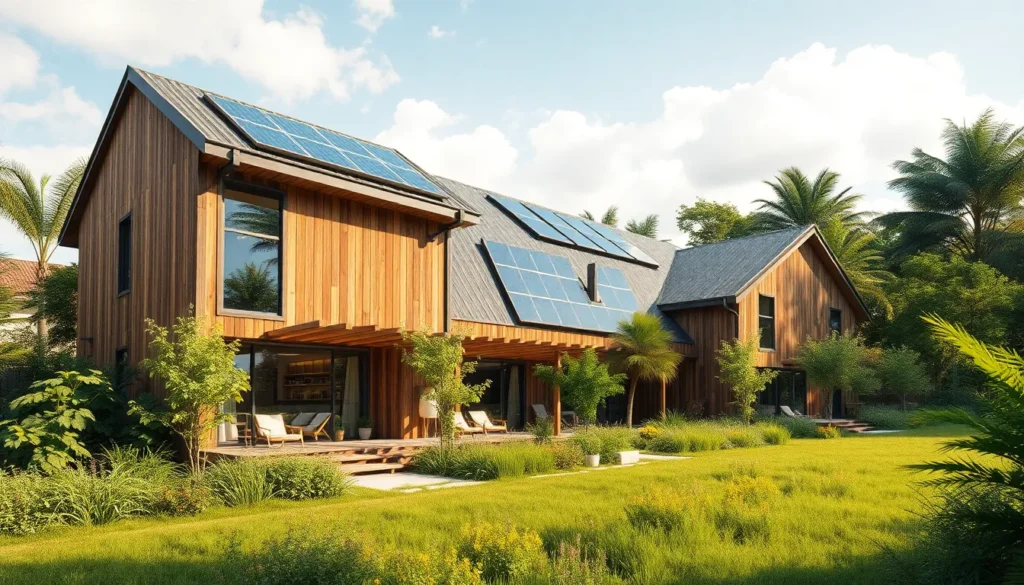
Green architecture incorporates several key features that enhance sustainability and environmental responsibility. These features maximize resource efficiency and promote healthier living spaces.
Sustainable Materials
Sustainable materials play a pivotal role in green architecture. Materials such as bamboo, recycled metal, and reclaimed wood minimize environmental impact. Each option reduces waste and conserves resources. Low-VOC (volatile organic compounds) paints and finishes improve indoor air quality, contributing to healthier environments. Incorporating these materials not only decreases the carbon footprint but also supports sustainable forestry and mining practices.
Energy Efficiency
Energy efficiency is a fundamental aspect of green architecture. Buildings are designed to reduce energy consumption through smart design elements. Features include high-performance insulation, energy-efficient windows, and advanced HVAC (heating, ventilation, and air conditioning) systems. These elements lower energy costs and decrease reliance on non-renewable energy sources. Implementing renewable energy systems, such as solar panels, further enhances energy efficiency while promoting long-term savings.
Benefits of Green Architecture
Green architecture offers various advantages, primarily focusing on environmental and economic benefits. By implementing sustainable practices, it supports ecological health while promoting financial savings.
Environmental Impact
Green architecture significantly reduces the ecological footprint of buildings. It minimizes resource depletion through the use of sustainable materials and promotes biodiversity by integrating structures with natural surroundings. Energy-efficient designs decrease greenhouse gas emissions by reducing energy consumption. Incorporating renewable energy sources, such as solar panels, lowers reliance on fossil fuels. Proper waste management during construction and deconstruction ensures minimal landfill impact.
Economic Advantages
Green architecture provides substantial economic benefits. Initial construction costs often lead to long-term savings through reduced energy and water bills. Buildings designed to be energy-efficient can save up to 30% on energy costs annually. Moreover, green buildings typically require lower maintenance expenditures due to the durability of sustainable materials. Increased property values occur as market demand rises for eco-friendly spaces, attracting environmentally conscious buyers and tenants. Incentives such as tax rebates and grants available for green projects further enhance potential financial returns.
Challenges in Implementing Green Architecture
Implementing green architecture faces several challenges that can hinder its adoption. Addressing initial costs and navigating regulatory barriers presents significant obstacles for many projects.
Initial Costs
Initial costs for green architecture often exceed those of conventional designs. Building materials and technologies focused on sustainability, such as solar panels and energy-efficient systems, generally come with higher upfront prices. Additionally, skilled labor may demand premiums due to specialized knowledge required for green construction practices. A study by the World Green Building Council reports that while initial costs might be higher, long-term savings on utilities can justify the investment over time. These financial concerns can deter developers and clients from pursuing eco-friendly options.
Regulatory Barriers
Regulatory barriers pose a major challenge to green architecture implementation. Zoning laws and building codes may not address or incentivize sustainable practices, leading to confusion in compliance. Many jurisdictions lack clear guidelines for integrating green technologies, which can slow project approvals. Furthermore, local governments may not have the resources or expertise to promote and enforce sustainable building regulations. The complexity of navigating these regulations can discourage project stakeholders from adopting green architecture practices, despite the acknowledged benefits.
Green architecture represents a pivotal shift in how society approaches building design and construction. By prioritizing sustainability and resource efficiency, it not only addresses pressing environmental issues but also enhances the quality of life for occupants. As the demand for eco-friendly spaces grows, the integration of renewable energy systems and sustainable materials becomes increasingly vital.
While challenges like initial costs and regulatory barriers exist, the long-term benefits of green architecture far outweigh these obstacles. With ongoing advancements in technology and a collective push towards sustainability, the future of architecture looks promising. Embracing these principles will foster a healthier planet and create resilient communities for generations to come.


